Why Foodies Love Jamaican Food in Denver
Denver has never been a one-note food city. People move here from everywhere, bring their cravings with them, and then spend years looking for the places that taste right. That helps explain why Jamaican food has earned such a loyal following along the Front Range. It is vivid, generous, deeply seasoned food that feels both celebratory and grounding. For diners who care about flavor, texture, heat, and personality on the plate, it checks a lot of boxes at once.
The appeal goes beyond novelty. https://remingtonwamn423.opalvector.com/posts/jamaican-food-in-denver-signature-dishes-you-should-know Good Jamaican cooking carries a kind of completeness that serious eaters recognize immediately. It can be spicy without being one-dimensional, comforting without being heavy in a dull way, and complex without becoming fussy. In a city where many diners actively seek out bold regional cuisines, the draw of jamaican food denver makes perfect sense.
What makes the local enthusiasm especially interesting is that Denver is not a coastal Caribbean city, nor is it a place where tropical ingredients grow around the corner. That means every great Jamaican kitchen in town is doing a little more than serving lunch and dinner. It is translating climate, supply chains, and local expectations into a cuisine that still tastes alive and true to itself. Foodies notice that kind of effort. They reward it.
The flavor profile is impossible to ignore
People often talk about Jamaican food as if it is simply "spicy," but that flattens the experience. Heat matters, of course, especially in jerk, pepper sauces, and some curries, but the bigger story is layering. A proper Jamaican meal tends to hit sweet, savory, herbal, smoky, and chile heat in the same sitting. It wakes up the palate.
Jerk is probably the best-known example, and it earns the attention. The first bite should not taste like generic barbecue rub plus hot sauce. It should bring allspice, thyme, scallion, ginger, garlic, Scotch bonnet, and smoke into focus. There is often a dark, aromatic depth that lingers after the heat recedes. When the seasoning is done well, the meat tastes seasoned all the way through rather than merely coated. That matters to experienced diners. Surface-level spice is easy. Depth is harder.
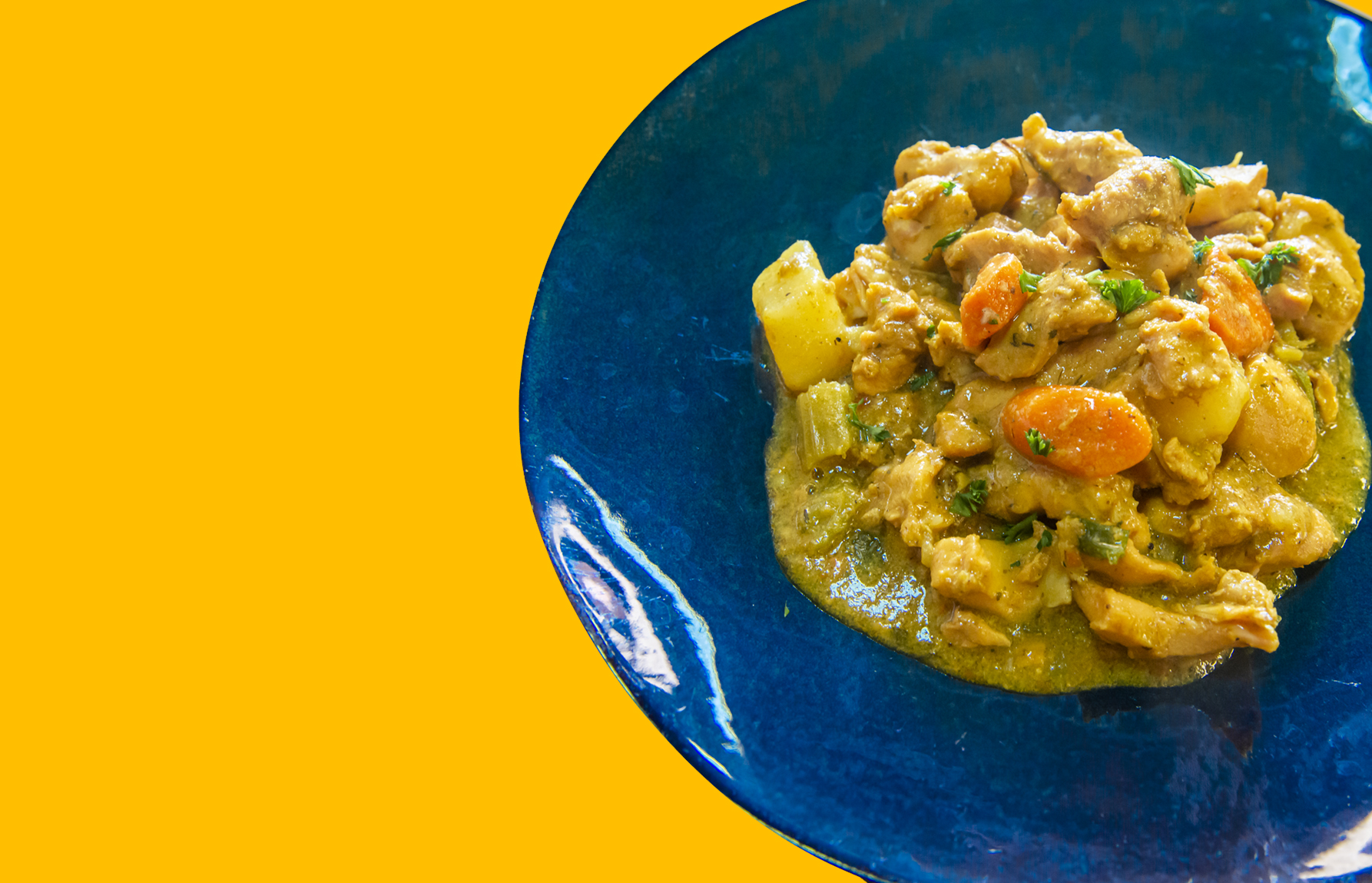
Then there are dishes like oxtail, curry goat, brown stew chicken, and escovitch fish, each showing a different side of the cuisine. Oxtail offers rich, slow-cooked body and a gravy that clings to rice and peas in the best possible way. Curry goat has warmth and fragrance that feel distinct from Indian or Thai curries, partly because of the specific seasoning blends and the way the meat cooks down over time. Escovitch fish adds acidity and sharpness, often through pickled vegetables and peppers, cutting through richness with a bright, assertive edge.
For food lovers, this range is part of the attraction. Jamaican cooking does not stay in one gear. A single plate can move from char to sweetness, from creamy starch to peppery bite, from slow-cooked depth to fresh herbal lift. Denver diners who spend their weekends chasing memorable meals tend to fall hard for food with that kind of dynamic contrast.
Denver diners appreciate food that feels both bold and honest
There is another reason Jamaican food resonates here. Denver has a strong appetite for food that tastes like somebody actually cooked it. Not engineered, not over-plated, not built for social media first and appetite second. Jamaican cuisine, at its best, has a straightforward confidence. It does not need ornament to impress.
You see that in the structure of the meals. Rice and peas are not filler when they are made properly. They carry coconut, thyme, and subtle seasoning that support the main dish. Fried plantains are not just sweet garnish. They soften the heat, bring caramelized notes, and add texture. Cabbage, steamed vegetables, festivals, coco bread, and patties all play specific roles. The plate feels composed, even when it looks abundant and informal.
That kind of honesty lands well in Denver. For all the city’s growth and polish, diners here still respond strongly to places where the food leads and the room follows. A restaurant does not have to be glossy if the jerk chicken has real smoke in it and the curry tastes patient. In fact, many food-focused locals prefer a place with modest decor and serious cooking over a fashionable room attached to forgettable food.
Jamaican food also tends to reward repeat visits. On the first trip, someone may come in for jerk chicken because it is familiar by name. By the third or fourth visit, they are ordering curry goat, then trying sorrel, then adding a beef patty, then debating which sides best match each entree. That is how loyalty forms. The cuisine invites curiosity without punishing the unfamiliar diner.
Comfort food, but not the sleepy kind
A lot of beloved comfort food in cold-weather cities leans monochromatic. It is hearty, yes, but often soft, beige, and predictable. Jamaican food offers comfort with more personality. It is substantial enough for a snowy evening, but bright and high-toned enough that it never feels like culinary hibernation.
That balance suits Denver’s climate and culture better than people might expect. Winters can be dry and sharp, and even warmer months cool off at night. A plate of oxtail with rice and peas or a curry with plantains makes immediate sense when the air turns crisp. Yet Denver is also active, outdoorsy, and health-conscious, so food that tastes vibrant rather than merely heavy tends to perform better over the long run.
Jamaican cooking handles that balance unusually well. Slow braises deliver richness, but there is almost always some lift nearby, whether from fresh herbs, Scotch bonnet brightness, pickled vegetables, or fruit notes. Even fried items often come with contrasts that keep the meal moving. A flaky patty paired with coco bread, for example, gives both spice and softness. Fried plantains work because their sweetness offsets savory heat. The best versions of these combinations feel calibrated, not accidental.
That calibration matters to people who think seriously about food. Comfort alone is not enough. Diners want satisfaction without boredom. Jamaican cuisine often delivers exactly that.
The cuisine offers more range than many first-time diners expect
One thing I have noticed repeatedly in conversations about jamaican food denver is how often first-time diners arrive with a narrow idea of what Jamaican cuisine includes. They expect jerk and maybe patties. Then they realize the menu can stretch far beyond that, both in flavor and format.
Some restaurants focus on plates and stews. Others lean into grab-and-go items like patties and coco bread. Some serve seafood with real authority. Others shine through breakfast, soups, or juices. The cuisine can be fiery, but it can also be gently seasoned and deeply savory. It can be festive and street-food friendly, or it can feel almost ceremonial in the way a slow-cooked dish anchors a meal.
That diversity is a big reason foodies stay interested. There is enough familiarity to provide a doorway, but enough depth to keep the exploration going. If a diner starts with jerk chicken, they can branch into brown stew, then ackee and saltfish when available, then callaloo, then pepper shrimp or a house specialty. Not every Denver spot will offer the full breadth of the cuisine, but even partial exposure is often enough to spark deeper interest.
A mature food city thrives on that kind of progression. People do not just want one iconic dish. They want a cuisine they can learn over time.
Denver’s food culture rewards bold regional identity
The city’s dining scene has changed dramatically over the last decade or so. More diners pay attention to regional specificity now. They ask where a dish comes from, whether seasoning reflects a real tradition, and what separates one kitchen’s version from another. That curiosity benefits cuisines with a strong sense of place, and Jamaican food certainly has that.
When diners order jerk in Denver, they are not just looking for "spicy grilled chicken." The more engaged ones want to know whether the flavor leans smoky, sweet, herbal, or aggressive with chile. They notice whether the rice and peas taste distinct or generic. They compare gravies. They talk about tenderness. They ask if the patty crust flakes properly or tastes mass-produced. These are not casual observations. They show a food culture that has matured enough to care about details.
Jamaican restaurants that get those details right tend to earn intense loyalty because they provide something recognizable and difficult to fake. Plenty of cuisines can be approximated. Jamaican food, especially dishes built on marinades, long cooking, and balanced spice, exposes shortcuts quickly. If the jerk tastes flat, people know. If the curry lacks depth, they know. If the cabbage side has no life, they know.
That is exactly why serious diners keep coming back to the places that do it well. Strong regional food builds trust.
Spice, smoke, and sweetness work especially well at altitude
Denver’s altitude changes the way people eat, whether they realize it or not. Dry air can blunt perception a bit. Rich sauces can feel heavier. Food with aromatic lift and clear seasoning often performs especially well because it punches through the environmental dulling effect.
Jamaican food is naturally equipped for that. Smoke carries. Thyme, scallion, ginger, and allspice register clearly. Pepper heat wakes up the palate. Bright sauces and pickled components create contrast. Even the sweetness from plantains or certain marinades can feel more pronounced against char and spice.
This is not to say Jamaican cuisine somehow belongs more in Denver than elsewhere. It is simply that many of its strengths happen to line up well with what diners crave in a high, dry climate. You want food that tastes vivid, not timid. You want a meal that can satisfy after a cold afternoon without weighing you down for the rest of the night. Jamaican cooking often threads that needle.
Restaurants here also adapt in subtle ways. Some may calibrate heat because the local customer base spans everyone from dedicated chile heads to cautious newcomers. Others may emphasize smoke or sweetness. The best kitchens make those adjustments without sanding off the cuisine’s identity. That balancing act is part of their craft.
Great Jamaican food creates memorable texture, not just flavor
Flavor gets most of the attention, but texture is a quiet reason people fall in love with this cuisine. Good Jamaican meals offer real contrast. Jerk chicken can have charred edges and juicy interior. Oxtail can be sticky, soft, and gelatin-rich in a way that feels luxurious rather than heavy. Plantains bring tenderness and caramelized surface. Patties add flake and crunch. Steamed cabbage offers a lighter counterpoint. Rice and peas provide structure and absorb sauces beautifully.
Those contrasts make the meal feel complete. A lot of restaurant food tastes fine for the first few bites and then becomes repetitive because every texture lands in the same zone. Jamaican plates rarely have that problem. Each forkful can shift. A bite of curry followed by plantain tastes different from curry with rice, which tastes different again after a spoonful of cabbage or a dash of hot sauce.
Foodies are especially responsive to this because texture is where craftsmanship often reveals itself. Anyone can make food loud. It takes care to make it balanced, pleasurable, and varied all the way through a meal.
There is generosity in the cuisine, and diners remember that
Ask people why they return to a favorite Jamaican restaurant and they will usually mention flavor first. Keep talking, and another word often enters the conversation: generosity.
Part of that is literal. Portions are often substantial, and many dishes reheat well, which adds value in a city where dining out is not cheap. But generosity also describes the spirit of the food. These dishes feel meant to nourish. The gravies are not stingy. The sides are not afterthoughts. The seasoning does not hold back.
That matters in Denver, where restaurant prices can climb quickly and diners are increasingly selective about where they spend. A meal that feels abundant without feeling careless stands out. People are happy to pay for food that leaves a real impression and perhaps enough for lunch the next day.
There is also emotional generosity. Jamaican cooking often carries the unmistakable stamp of recipes that evolved in homes, roadside stands, and community spaces before entering polished dining conversations. Even when served in modern settings, the food can retain that sense of warmth and directness. Diners pick up on it.
What seasoned diners tend to order after the first visit
The first order at a Jamaican restaurant is often predictable. The second order says more. Once people realize the kitchen knows what it is doing, they become bolder. They start moving toward the dishes that show patience and depth.
A few favorites tend to pull people back:
- oxtail for the richness of the gravy and the slow-cooked tenderness
- curry goat for its fragrant spice and savory depth
- beef patties for a portable, flaky snack that still feels satisfying
- escovitch fish for the sharp, bright contrast of spice and acidity
- plantains because they tie a whole plate together better than newcomers expect
What is interesting is how often these choices come from recommendations passed between friends. One person tries the oxtail, then tells three others. Someone grabs a patty on the go and ends up returning for a full dinner. This kind of word-of-mouth growth is common with cuisines that overdeliver once people move beyond the most obvious dish.
Authenticity matters, but so does execution
"Authentic" gets thrown around too casually in food conversations, and it can become a blunt instrument. Jamaican food in Denver exists in a real business environment, with local sourcing limits, labor pressures, varying customer expectations, and the practical reality that not every traditional ingredient is equally available or equally priced year-round. A restaurant can respect tradition while still making necessary adaptations.
That said, execution is non-negotiable. A kitchen may tweak presentation or adjust spice levels, but the food still needs to taste intentional. The jerk should not feel generic. The curry should have body. Rice and peas should taste like something, not just act as a base. The patties should not seem like an afterthought brought in from a freezer if the rest of the menu aims higher.
Experienced diners usually judge with more nuance than people assume. They understand trade-offs. They know a small restaurant cannot be everything to everyone. What they want is clarity of purpose. If a spot does three or four dishes exceptionally well, people will forgive a lot. If the food feels diluted or confused, they will not.
That is one reason the jamaican food denver conversation has become more sophisticated. Diners are no longer merely excited that the cuisine exists. They are comparing restaurants, discussing specialties, and paying attention to consistency. That is a healthy sign for the scene.
Why the best meals linger in memory
Some cuisines satisfy in the moment and then disappear from memory by morning. Jamaican food tends to linger. You remember the aroma when the plate arrived. You remember the texture of the oxtail gravy with rice. You remember the sudden sweetness of plantain after the heat of the jerk. You remember the drink that cooled everything down, or the patty you bought for later and ended up eating in the car because the crust smelled too good to ignore.
Those sensory details are a big part of foodie culture. People chase meals that feel distinct enough to retell. Jamaican food offers that naturally because it is expressive. It has contrast. It has perfume. It has heat with character. And when a Denver restaurant does it well, the meal feels like more than dinner. It feels like discovery, even if you have eaten the cuisine for years.
The city’s enthusiasm is not accidental. It comes from the meeting point of bold cooking and a diner base eager for substance. Jamaican cuisine brings personality, comfort, intensity, and generosity in equal measure. For Denver food lovers, that is not a niche appeal. That is exactly the kind of food worth seeking out again and again.
Reggae Pot Jamaican Grill
Address: 2243 S Monaco St Pkwy #104, Denver, CO 80222
Phone number: +17204102956
FAQ About Jamaican Food Denver
What is typical Jamaican food?
Typical Jamaican food features bold, vibrant flavors created by blending African, Taino, European, and Asian influences.
What is a famous Jamaican dish?
Ackee and saltfish is Jamaica's national dish, made by sautéing the soft local ackee fruit with salted cod, onions, tomatoes, and spicy Scotch bonnet peppers.
What food is most popular in Jamaica?
The most popular and famous food in Jamaica is Jerk Chicken, celebrated worldwide for its smoky, spicy flavor.
Ends · JAIDENVEZK816