Why Families Love Visiting a Cuban Bakery in Aurora CO
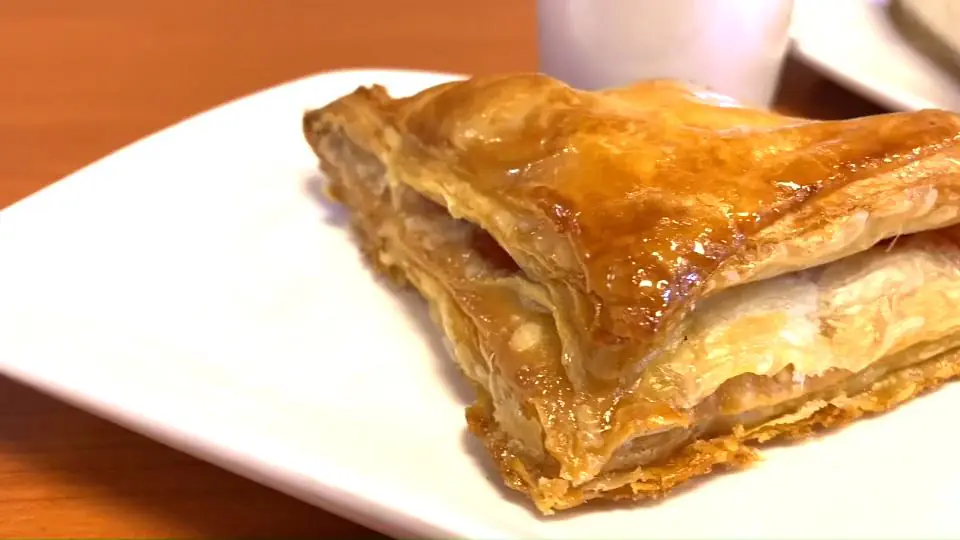
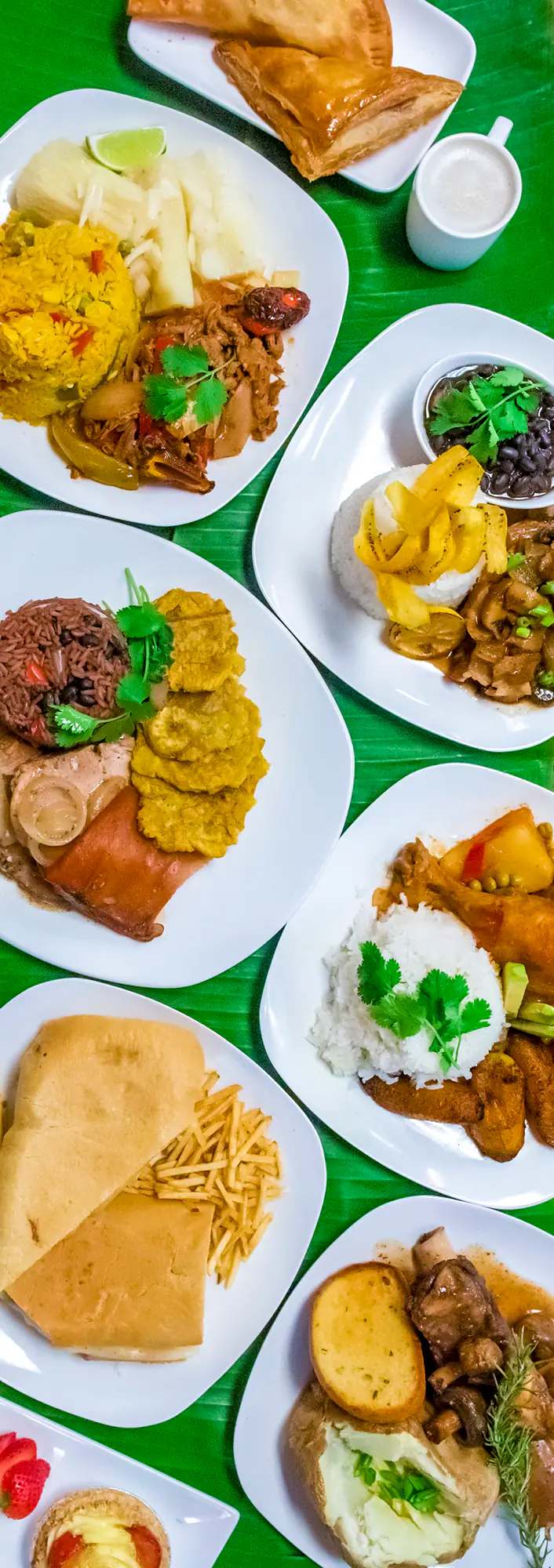
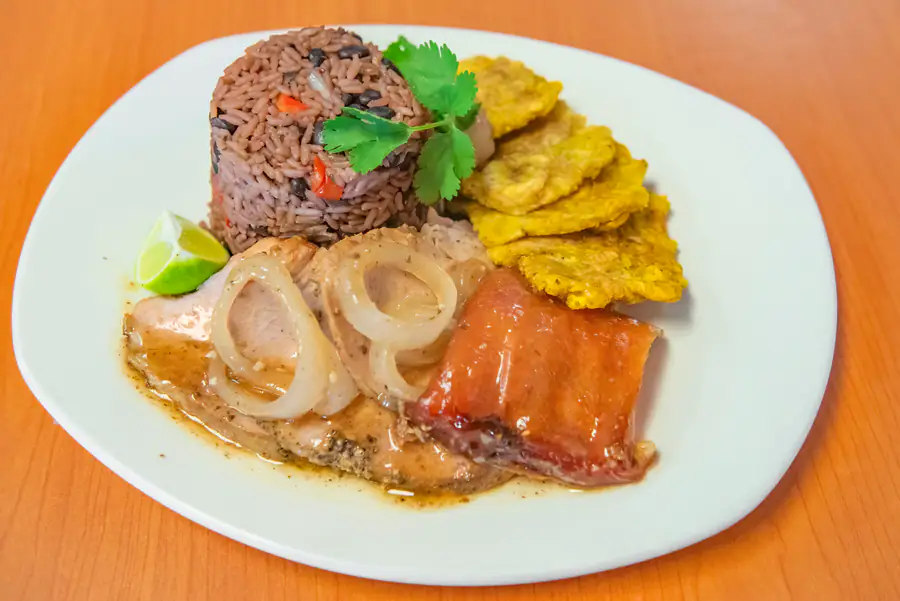
There are plenty of places where a family can grab a quick bite together. Far fewer feel like a small event. That is part of the reason a Cuban bakery in Aurora CO draws such loyal regulars. People do not show up only for a loaf of bread or a box of pastries. They come because the visit itself has texture. There is warmth at the counter, the smell of fresh baking in the air, the hum of conversation, and the kind of food that manages to feel both comforting and a little special.
Families notice that difference right away. Parents want somewhere reliable, children want something that feels fun, and grandparents often want food that has character instead of the interchangeable sweetness you find in chain pastry cases. A good Cuban bakery meets all three needs without trying too hard. It feels generous. It feels lived in. Most of all, it feels like a place where people actually eat, celebrate, and come back.
Aurora is the kind of city where that matters. It is diverse, busy, and spread out enough that families often make deliberate choices about where to spend time. When they find a bakery that offers excellent food, broad appeal, and a welcoming environment, it tends to become part of their routine. Over time, routine turns into tradition.
The pull starts with the smell
Before anyone studies the menu, the bakery has already made its first impression. Fresh bread has a way of changing the mood in a room. Add butter, sugar, espresso, and the flaky aroma of pastries coming out of the oven, and people slow down almost without realizing it.
Children react first. They press toward the display case and point at guava pastries or cookies dusted with sugar. Adults, even the disciplined ones, usually do the same. That is not accidental. Cuban baking has range. There is sweetness, but not only sweetness. There is richness, but also balance. A family can walk in with five different cravings and leave with everyone satisfied.
That matters more than it sounds. Many bakery visits fall apart on simple logistics. One child wants something soft, another wants something crisp, one parent wants coffee and a savory bite, and another wants to bring home bread for later. In weaker shops, that becomes compromise. In a strong Cuban bakery, it becomes an easy order.
The sensory side also creates a memory. Families remember places by moments, not marketing language. They remember powdered sugar on a toddler’s shirt, the sound of tongs against the tray, a warm pastelito handed over in a paper sleeve, and a grandparent closing their eyes after the first sip of café con leche. Those details build loyalty much faster than a polished brand ever could.
Cuban baking gives families more than dessert
People who have never spent time around Cuban bakeries sometimes assume they are mainly about sweets. That misses half the story. One reason families keep returning is that the menu usually covers the full rhythm of a day. Breakfast can be light or filling. A midmorning coffee run can turn into an early lunch. An afternoon pastry stop can also become a pick-up for bread to serve with dinner.
The classic mix of offerings helps. You might see flaky pastelitos filled with guava and cheese, croquetas with crisp exteriors and creamy centers, savory pastries, soft rolls, cakes for birthdays, cookies for school events, and espresso drinks that anchor the whole experience. There is variety, but it is not chaotic variety. The items make sense together.
That practical breadth solves a common family problem. It is hard to find one stop that pleases a mixed-age group without feeling generic. A Cuban bakery can handle a parent who wants strong coffee, a child who wants a sweet pastry, a teen who wants something savory and portable, and a grandparent who cares deeply about bread quality. That makes the outing feel easy rather than negotiated.
There is also a useful middle ground in portion and price. In many families, bakery visits are not major splurges. They are small treats, modest enough for an ordinary Saturday but satisfying enough to feel memorable. A family can sample several items without the commitment of a full sit-down meal. That encourages curiosity. One visit might be built around favorites, the next around trying something new.
It feels festive without being formal
A lot of family-friendly food spots struggle with atmosphere. They are either too stiff for children or so casual that adults feel like they are eating in a waiting room. A well-run bakery hits a sweet spot. It has energy, but not chaos. It is warm, but not precious. People can linger a little without feeling they are taking up space.
Cuban bakeries often carry a natural sense of celebration. Bright pastries, decorated cakes, trays moving in and out of the kitchen, and the steady rhythm of coffee service create a space that feels alive. Even a short visit has a celebratory edge. That matters for families because so much of family life is made up of small occasions that deserve some recognition, a good report card, a soccer win, visiting cousins, a grandparent’s birthday, or simply making it through a demanding week.
The best part is that the place does not require anyone to dress up the moment. It is festive without becoming formal. You can stop in after errands, after church, before a game, or on the way home from school. That accessibility is a big reason habits form. If something only works for special occasions, it stays occasional. If it can slide comfortably into everyday life, it becomes beloved.
Families appreciate food with a point of view
One thing experienced diners notice quickly is whether a bakery is making things because they matter or merely because they sell. Families may not phrase it that way, but they feel the difference. Distinctive bakeries have a point of view. The dough tastes like dough, not just sugar. The fillings have identity. The coffee is not an afterthought. The bread is meant to be eaten, not just displayed.
Cuban baking traditions carry that sense of identity strongly. Guava is not there as a novelty flavor. It belongs. Cheese paired with fruit has a logic rooted in habit and preference, not trend-chasing. Savory pastries are https://devinvqdj090.vantagequill.com/posts/explore-cuban-baking-traditions-in-aurora-co seasoned to be satisfying, not merely convenient. Even the coffee culture around a Cuban bakery shapes the experience. Small cups, strong flavor, quick service, and real expectation around quality all signal seriousness.
Families value that even when they are new to the cuisine. In fact, many of the most loyal customers in a Cuban bakery Aurora CO setting are not necessarily Cuban. They are families who discovered that the food is approachable, flavorful, and different enough to keep things interesting. Children learn to recognize favorite items by name. Parents start bringing bakery boxes to gatherings because they know the reaction will be good. Over time, the bakery becomes one of the places through which the family experiences the wider food culture of the community.
It works for multiple generations at once
This is where many food businesses fail and neighborhood bakeries often shine. A family outing rarely means one demographic. It can mean a stroller, two school-age kids, a teenager, parents, and at least one grandparent, all standing together with different habits and appetites. Places that serve only one age group usually lose momentum quickly.
A Cuban bakery has a built-in advantage because the products are naturally multigenerational. Older adults often appreciate the bread, coffee, and savory items. Parents appreciate being able to buy a mix of breakfast, snacks, and desserts in one transaction. Kids respond to color, sweetness, and variety. Teenagers like food that feels specific rather than mass-produced, especially if it photographs well and tastes even better.
There is also a social ease to the setting. Grandparents can tell stories about similar foods they grew up with, whether from Cuba, elsewhere in Latin America, or another bread-loving culture entirely. Parents can introduce children to flavors that go beyond the usual cupcake rotation. Children get the simple pleasure of choosing from a case full of beautiful things. Everyone has a role in the visit.
I have seen that dynamic play out in bakeries repeatedly. The family that arrives looking tired from a morning of errands often leaves more animated than when they walked in. Someone finds a favorite. Someone else insists on taking extra pastries home. The adults begin discussing what to order for the next birthday. Food does not fix every strain of a busy day, but shared pleasures still matter, and bakeries are unusually good at providing them.
The bakery becomes part of family rituals
The strongest neighborhood food businesses become markers in a family calendar. Not every ritual needs candles and invitations. Some are much smaller. Friday after school, a pastry before the weekend starts. Sunday morning, coffee and bread before visiting relatives. The first day of school, a sweet stop on the way home. A last-minute cake when the original plan falls apart. These are the routines people remember years later.
A Cuban bakery fits that role especially well because it serves both impulse and planning. You can stop in on a whim and feel rewarded, or you can order ahead for an event and know the food will carry part of the celebration. Families like businesses that can do both.
There is also emotional value in repeated recognition. When staff remember your usual order, ask after your children, or recommend something fresh from the oven, the experience shifts from transaction to relationship. That should not be underestimated. Families spend enough of life in impersonal systems. They remember places where they feel known.
In Aurora, where neighborhoods include people from many backgrounds, local bakeries often function as quiet cultural bridges. A family may first come in because they heard the pastries were good. They return because the place feels human. Eventually, bringing guests there becomes part of how they show off the city. That is a meaningful role for a bakery to play.
The menu rewards curiosity
Part of the fun for families is that Cuban bakery menus often have familiar entry points and more adventurous corners. If someone wants something safe, there are easy choices. If someone wants to explore, there is room for that too.
A child may start with a sugar-dusted cookie and later graduate to a guava pastry. A parent who came only for coffee might decide to try a savory pastry after seeing another customer order one. A grandparent may spot a bread style that reminds them of home. Good bakeries allow those discoveries to happen naturally.
That sense of gentle discovery matters in family dining. If every outing is predictable, people get bored. If every outing feels risky, people get stressed. The best bakery experiences sit in between. The food is approachable enough for regular visits but distinctive enough that there is always one more thing worth trying.
For families with picky eaters, this can be especially useful. Children are often more willing to sample a new item when it comes from a pastry case than when it arrives as a full dinner plate. One bite feels manageable. Sometimes that is all it takes to expand a palate.
Practical details parents actually care about
Parents may love romance and atmosphere, but they also notice function. Is service quick enough for a stop between activities? Are the portions sensible? Can you bring home items that still taste good later? Will there be something for the family member who is not in a sugar mood? Does the place handle special orders without drama?
A strong Cuban bakery usually scores well because the format itself is efficient. Many items are ready to go. Packaging is straightforward. Orders can be mixed and matched. If a child changes their mind at the counter, it is rarely a crisis. If someone wants to buy extras for the next day, that is part of the model.
Families also appreciate value. Not cheapness for its own sake, but the feeling that quality matches price. Fresh baked goods with care in the dough, filling, and finish tend to justify themselves. A bakery visit feels worthwhile when the products taste made, not manufactured.
Timing can be an edge case, and seasoned customers learn it quickly. The most popular items may sell out at peak hours, especially on weekends or holidays. That is not always a flaw. Sometimes it is a sign that the bakery is making real batches rather than holding endless stock. Families who become regulars often adapt by arriving earlier, pre-ordering for gatherings, or learning which items are reliably available later in the day.
Why celebrations often start here
Birthdays, baby showers, graduations, office parties, church events, and school gatherings all need food that feels festive and easy to share. Cuban bakeries are well suited to this because they handle both centerpiece and supporting cast. A cake can anchor the table, but pastries, cookies, breads, and savory bites round out the spread.
That flexibility is powerful for families. Not every celebration calls for a formal caterer. Sometimes people need food that feels abundant without creating a mountain of work. A bakery box accomplishes that. Open the lid, and the table already looks more inviting.
There is also a social generosity to pastry assortments. A mixed box invites conversation. Someone claims the last guava pastry. Someone else cuts a cake for children first. People compare favorites. Good celebration food should do more than fill space. It should create interaction. Bakeries do that exceptionally well.
When families find a bakery they trust, they stop shopping around for every event. Trust saves time. It also lowers stress, which is no small gift when organizing any family gathering.
A local place can feel bigger than its footprint
The footprint of a bakery may be modest, but its role in community life can be large. Over time, families come to associate the place with milestones and ordinary comforts alike. The bakery feeds birthday parties and weekday moods. It hosts quick conversations and recurring routines. It gives a neighborhood a place to return to that still feels specific to the people around it.
That is one reason a Cuban bakery in Aurora CO can become so central to family life. It offers more than pastries. It offers a setting where generosity is visible, where tradition tastes good, and where people of different ages can enjoy the same stop for different reasons. The details matter, from the crackle of a flaky crust to the strength of the coffee to the familiarity of the staff greeting repeat customers.
Families do not fall in love with places because a brochure tells them to. They fall in love because the experience delivers, visit after visit. The food tastes right. The space feels welcoming. The outing fits real life. And somewhere along the way, a bakery trip becomes one of those dependable pleasures that helps hold family routines together.
That is a strong achievement for any local business. For a Cuban bakery, it often feels perfectly natural.
Cuba Bakery & Café
15028 E Mississippi Ave, Aurora, CO 80012
+1 303-752-2822
FAQ About Cuban bakery Aurora CO
What are Cuban pastries called?
Many small Cuban pastries are called pastelitos. They can have sweet or savory fillings, such as guava, cheese, guava and cheese, or seasoned meat. Cuba Bakery & Café lists guava, cheese, guava-and-cheese and beef pastries on its menu. Ask the bakery about current availability and ingredients when ordering.
What are traditional Cuban pastries?
Common Cuban bakery choices include flaky pastelitos filled with guava, cheese or meat. Cuban bakeries may also offer empanadas, breads and desserts alongside coffee. Cuba Bakery & Café lists pastelitos, several empanada fillings, pan Cubano and desserts such as tres leches and bread pudding. Selection can vary, so confirm the day's choices with the bakery.
What makes Cuban bread different?
Cuban bread is known for its light interior and a thin crust that becomes crisp when toasted or pressed. Traditional recipes often use lard, although ingredients vary by baker. It is commonly served as buttered toast or used for Cuban sandwiches. Cuba Bakery & Café lists pan Cubano and tostada on its menu; ask staff about the ingredients in their bread if you have dietary restrictions.
Ends · JAIDENVEZK816