Top Jamaican Food in Denver for Authentic Caribbean Plates
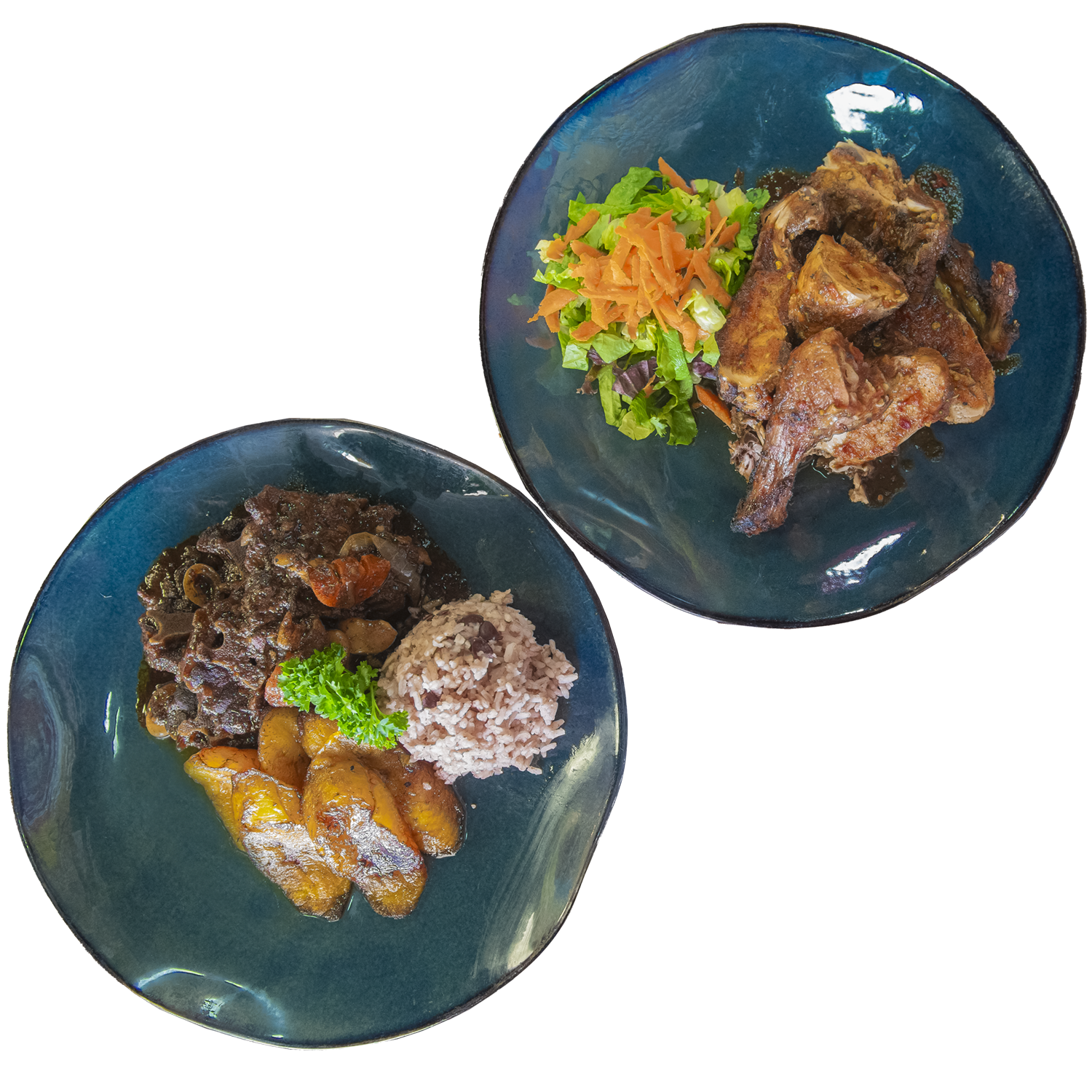
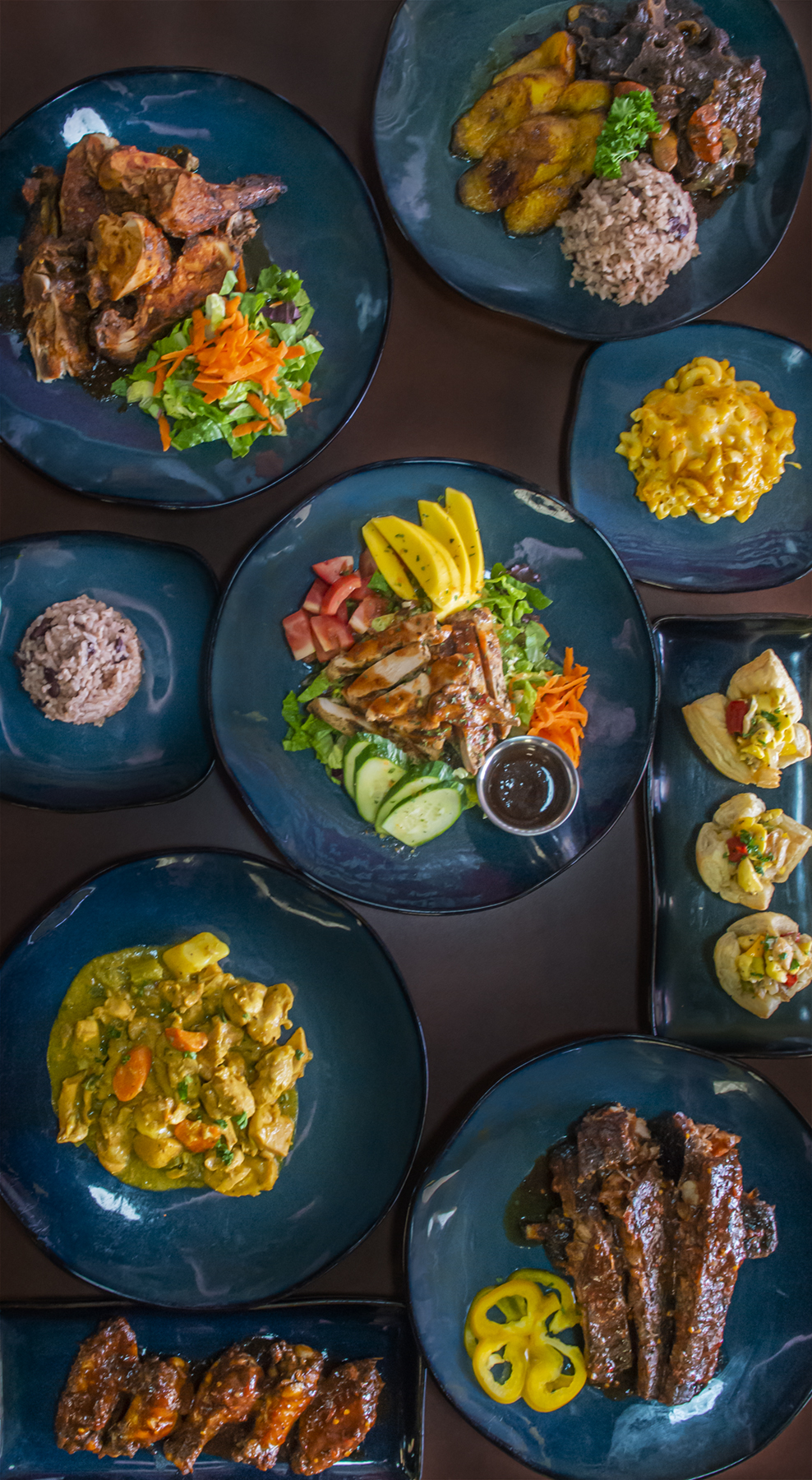
Denver has become a far more interesting food city than it was even ten years ago. You can feel it in the neighborhoods, in the late lunch crowds, and in the way diners now expect more than a generic version of global food. That shift matters if you are looking for Jamaican food in Denver, because the difference between a plate that merely borrows island flavors and one that actually respects Jamaican cooking is obvious the second the food hits the table.
Authentic Jamaican food is not subtle in the forgettable sense, and it is not loud for the sake of novelty. It is layered, deeply seasoned, often slow-cooked, and rooted in balance. Heat, smoke, sweetness, allspice, thyme, scallion, ginger, Scotch bonnet, brown sugar, pimento, and the savory backbone of long braises all have a place. A good Jamaican plate should feel generous and grounded. It should smell like somebody took the time.
That standard is useful in Denver, where some Caribbean menus are broad by necessity. A restaurant might serve Jamaican staples next to dishes from other islands, or adapt a few items to fit local demand. That does not automatically make it less authentic. In practice, the strongest spots are usually the ones that understand the soul of the food, even if the menu is compact, the dining room is casual, or the operation leans heavily on takeout.
What makes a Jamaican plate feel authentic
The easiest mistake diners make is reducing Jamaican food to jerk seasoning alone. Jerk is one of the island’s best-known culinary traditions, but it is only one part of a much wider table. Real Jamaican cooking shows up in texture as much as flavor. Rice and peas should be fragrant, not dry and anonymous. Oxtail should have body and richness, with gravy that clings to the rice instead of sliding off like soup. Curry goat should carry depth, not just yellow color. Plantains should land in that ideal space between caramelized and soft.
Denver’s best Jamaican food tends to get these details right. You see it in kitchen choices that are hard to fake. Meat gets marinated long enough to taste seasoned beneath the surface. Cabbage on the side is not an afterthought. Patties have a crust with some character. Even when the dining room is busy, the food still tastes like it came from a point of view rather than a formula.
There is also a practical side to authenticity. High-altitude cooking can affect moisture, timing, and consistency. Rice can dry out fast in Denver. Braised meats can tighten up if they are rushed. Frying can get tricky during high-volume service. That is one reason truly good Jamaican restaurants stand out here. They are not just reproducing a recipe. They are adjusting technique to local conditions without losing the original character of the dish.
The dishes worth chasing first
If you are new to Jamaican food in Denver, ordering well matters. Menus can vary, and some places rotate specialties depending on the day or what has sold through. Certain dishes tell you more about a kitchen than others.
- Jerk chicken, because it reveals whether the kitchen understands smoke, spice, and marinade rather than simply sprinkling on seasoning
- Oxtail, because the gravy, tenderness, and richness expose patience or the lack of it
- Curry goat, because it should taste slow-built and aromatic, not flat or one-note
- Beef patties, because crust and filling show whether the kitchen respects even its handheld staples
- Rice and peas with cabbage or plantain, because sides are where a lot of restaurants quietly lose credibility
Jerk chicken is the dish most people start with, and fair enough. But it is also the dish most likely to disappoint when done carelessly. Real jerk flavor is deeper than heat. It should carry smoke, warm spice, sweetness, and a noticeable herbal edge. If the chicken tastes spicy on the outside but plain underneath, that is usually a sign the marinade did not have enough time or the cooking relied too heavily on sauce at the end.
Oxtail is often the most revealing order on the menu. When it is right, the meat yields without falling apart into mush, and the gravy has enough gelatin and spice to feel luxurious. In Denver, where ingredient costs and labor are real pressures, oxtail can be expensive. That higher price does not bother me if the portion is fair and the braise is excellent. What stings is paying a premium for a plate that tastes hurried. Good oxtail should feel like someone committed to the process.
Curry goat deserves the same scrutiny. The best versions have a rounded warmth rather than an aggressive blast of curry powder. Goat needs careful cooking, because toughness is unforgiving. When a kitchen nails it, you get meat with both flavor and integrity, plus a sauce that begs for rice. When they do not, you get chewy pieces and a thin, over-spiced gravy trying to compensate.
Patties are often underestimated. They should not be treated like a side hustle from the warmer. A proper patty offers a flaky shell with enough richness to support the filling, whether that filling is beef, chicken, or vegetable. In a city where many people grab lunch on the move, patties have become one of the best tests of whether a Jamaican spot can execute the basics every single day.
Reading a Jamaican menu in Denver with a little more confidence
Part of eating well is knowing what signals matter. Jamaican restaurants in Denver do not all look the same. Some are counter-service operations with a few tables and a steady stream of takeout. Others lean into a broader Caribbean identity. A few function almost like neighborhood comfort-food spots, where regulars know what day to show up for a special and first-timers should ask questions before ordering.
That last point matters more than people think. If you ask what is moving that day, attentive staff will usually tell you. Maybe the jerk just came off. Maybe the curry goat is especially good because a fresh batch finished an hour ago. Maybe patties sold out and the kitchen is steering people elsewhere. Those small conversations often lead to your best meal.
I have also learned not to judge Jamaican food by dining-room polish. Some of the strongest Caribbean meals come from modest spaces that put every bit of attention into the food itself. You might get your plate in a hinged takeout container. You might carry it to a table with minimal decor. None of that matters if the chicken is smoky, the gravy is rich, and the cabbage has been cooked with intention instead of dumped from a steam tray.
Why sides matter more than people realize
A lot of diners focus so heavily on the protein that they treat the rest of the plate as filler. That is a mistake. In Jamaican cooking, the supporting elements do real work.
Rice and peas, for starters, should taste like more than plain rice with a few beans scattered in. The best versions are aromatic and cohesive, often with coconut notes and enough seasoning to stand on their own. They should absorb sauce beautifully without turning pasty. In Denver’s dry climate, holding rice too long can drain it of life, so freshness counts.
Cabbage is another tell. It is easy to cook into limp anonymity, but a good version stays tender with some structure, lightly seasoned and capable of cutting through richer meats. Plantains bring sweetness, yes, but also a kind of quiet balance. On a plate with jerk or curry, that sweetness is not decorative. It is functional. It rounds the edges.
Even mac and cheese, where offered, should be considered carefully. Some Caribbean restaurants in the United States lean into it because customers expect it, but it is only worth ordering if the kitchen treats it like a serious side rather than a generic add-on. I have had versions that were creamy, seasoned, and satisfying, and others that tasted like they came from a separate menu entirely.
The challenge of finding the best jamaican food denver has to offer
Search results can be deceptive. Type in jamaican food denver and you will usually get a mix of true Jamaican restaurants, broad Caribbean spots, food trucks, fusion kitchens, and places that may have only one or two Jamaican-leaning dishes. Reviews help, but only when you read them critically.
A five-star review from someone who loved “the spicy chicken” does not tell you much. A detailed review that mentions the smoke level on the jerk, the tenderness of the oxtail, or whether the rice and peas felt freshly made is more useful. Photos help too, though they can flatter a mediocre plate under good lighting.
The strongest strategy is to combine three things: menu reading, dish selection, and timing. If a restaurant offers core staples, handles them consistently, and has a reliable lunch or dinner rush from people who know the cuisine, you are probably in good shape. If the menu feels scattered, the jerk looks suspiciously sauced instead of grilled or roasted properly, and the sides seem generic, your odds drop.
This is one cuisine where repeat visits matter. A single plate can catch a kitchen on an off day, especially with braises and smoked meats that require long timelines. But consistency eventually tells the truth. The best Jamaican restaurants in Denver earn trust because they can send out the same comforting, bold, well-seasoned food again and again.
What to watch for when you walk in
There are a few practical cues that usually steer you right, and they are less glamorous than social media makes them sound.
- A menu centered on a handful of Jamaican staples rather than dozens of unrelated items
- Staff who can clearly describe what is available that day and what has sold out
- Aromas of smoke, spice, and braised meat that hit before you even order
- Regular customers ordering with confidence, often without studying the menu for long
- Sides that look cared for, not scooped as an afterthought
None of these signs guarantees a great meal, but together they create a strong pattern. A compact menu usually means the kitchen is focused. Sold-out items can be annoying, yet they often indicate people are actually ordering the food that matters. Familiar regulars matter too. In any city, neighborhoods quietly reveal which restaurants are serving real comfort rather than a themed imitation.
The role of heat, and why not every plate should blow you away
One of the more common misconceptions about Jamaican food is that every dish should be punishingly spicy. That is not how the cuisine works. Scotch bonnet peppers are important, but so are allspice, thyme, scallion, garlic, ginger, and smoke. Heat is part of the profile, not the entire profile.
This matters in Denver because some restaurants, wanting to reassure a broad customer base, pull back too far and mute the food. Others swing the opposite direction and push blunt heat in place of depth. Neither approach lands well. The best kitchens know how to season in layers. You notice the spice, but you also notice sweetness, herbaceousness, char, and savor.
If you are sensitive to heat, ask before ordering. Most places are happy to guide you toward milder options or explain whether a sauce can be served on the side. If you want the full expression of the dish, say that too. Clear communication gets better results than assuming.
Lunch, dinner, and takeout all play differently
Jamaican food is especially well suited to takeout, but not every dish travels the same way. Jerk chicken often holds up beautifully, particularly if the skin or exterior has enough char to stay interesting on the ride home. Oxtail and curry goat https://andydmku370.lumenforgex.com/posts/the-best-places-for-spicy-jamaican-food-in-denver usually travel well because the sauce protects moisture. Patties are ideal for eating on the move, though they are best while still warm.
Rice and fried items can be more delicate. If you live twenty or thirty minutes away, the quality gap between dining in and carrying out may show up most in texture. That does not mean takeout is a bad call. It just means you should order strategically. I tend to favor braised dishes for longer drives and save the crispest items for meals eaten closer to the kitchen.
Lunch can also be a smart move if you want your first impression without the dinner rush. Midday service sometimes gives you a cleaner sense of how the kitchen handles volume. At dinner, especially on busy weekends, waits can stretch and popular items can disappear. There is no universal rule here, but if a place is known for selling out of specials, going early is rarely a mistake.
Price, portion size, and the value question
Jamaican food can look simple to diners who are not thinking about labor. It is anything but. Marinades take time. Braises take time. Good gravies and sauces take time. So when you see a higher price on oxtail or curry goat, that is not necessarily sticker shock for its own sake. Ingredient costs alone have climbed substantially in recent years, and the labor behind these dishes has always been significant.
What matters is whether the plate feels honest. A fair Jamaican meal in Denver should give you enough food to satisfy, usually with portions sturdy enough for leftovers depending on the dish. If the meat is skimpy, the sides feel stale, or the seasoning is timid, value drops fast. If the food tastes like care, even a slightly higher price can feel justified.
That is especially true for comfort food. People are not just paying for calories. They are paying for the sensory payoff, the memory in the seasoning, and the sense that someone made this with intention. When a restaurant gets all of that right, customers notice and return.
Denver’s Caribbean appetite is still growing
One encouraging thing about the current scene is that diners in Denver are becoming more adventurous without becoming careless. They are asking better questions. They are learning that not all Caribbean food is interchangeable. They are beginning to understand that Jamaican cooking has its own grammar, one built on history, migration, preservation techniques, and a fierce commitment to flavor.
That growing literacy helps the restaurants too. When customers appreciate why jerk needs time, why oxtail costs what it does, or why a sold-out special might actually be a good sign, the whole experience improves. Kitchens can cook with more confidence. Diners can order with more purpose. The result is a stronger market for the real thing.
For anyone searching for jamaican food denver can genuinely be rewarding, but only if you are willing to look past surface markers. The best meals are not always the loudest online. Sometimes they come from the place with the short menu, the crowded counter, the aroma of pimento and smoke, and a cook who understands that a proper plate should nourish first and impress second.
How to order if you only get one shot
If you are making a single visit and want the best odds of understanding a restaurant, go with a plate that gives the kitchen room to show range. Jerk chicken with rice and peas, cabbage, and plantains is the most balanced first order. You get smoke, spice, starch, sweetness, and vegetable cookery in one meal. If the restaurant is known for braises, an oxtail plate can be even more revealing, though it will usually cost more.
Add a patty if you are hungry or simply curious. It is an easy way to sample another technique without committing to a second full entrée. If there is a house drink or dessert that reflects Jamaican tradition, and the kitchen clearly cares about it, that can round out the meal nicely. But the heart of the test is still the main plate and the sides.
What you are looking for is not perfection in some abstract sense. You are looking for conviction. You want food that tastes like the cooks know exactly what it is supposed to be. In a city with an increasingly diverse dining scene, that kind of clarity stands out.
The good news is that Denver is capable of delivering it. When you find a Jamaican spot that seasons boldly, cooks patiently, and treats every part of the plate as important, the meal feels bigger than trend or novelty. It feels anchored. And that is usually how you know you have found the kind of Jamaican food worth coming back for.
Reggae Pot Jamaican Grill
Address: 2243 S Monaco St Pkwy #104, Denver, CO 80222
Phone number: +17204102956
FAQ About Jamaican Food Denver
What is typical Jamaican food?
Typical Jamaican food features bold, vibrant flavors created by blending African, Taino, European, and Asian influences.
What is a famous Jamaican dish?
Ackee and saltfish is Jamaica's national dish, made by sautéing the soft local ackee fruit with salted cod, onions, tomatoes, and spicy Scotch bonnet peppers.
What food is most popular in Jamaica?
The most popular and famous food in Jamaica is Jerk Chicken, celebrated worldwide for its smoky, spicy flavor.
Ends · JAIDENVEZK816