Southern Restaurant Pittsburgh, PA: A Delicious Local Guide
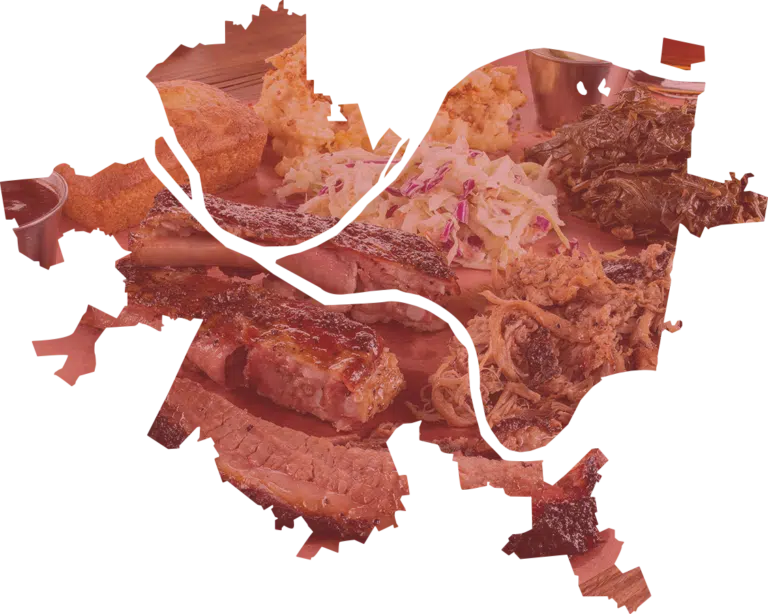
Pittsburgh is not the first city most people name when they think about Southern cooking. That is part of what makes the local scene so interesting. When you sit down at a good southern restaurant in Pittsburgh, PA, you are usually tasting more than one story at once. There is the deep tradition of Southern food itself, shaped by Black cooking, rural cooking, church suppers, smoke, spice, cast iron, and long practice. Then there is the Pittsburgh layer, where old industrial neighborhoods, college crowds, sports traffic, and a serious appetite for comfort food all change how those dishes land on the table.
That combination can work beautifully. On a cold Western Pennsylvania evening, a plate of fried chicken with hot sauce, a side of mac and cheese, and a square of cornbread feels exactly right. Shrimp and grits make as much sense before a concert downtown as they do for Sunday brunch. Smoked wings, biscuits with sausage gravy, braised greens, and peach cobbler have found a loyal audience here because the city genuinely responds to food with backbone.
The challenge is that “Southern” can mean very different things from one kitchen to the next. One restaurant leans hard into soul food. Another takes a polished brunch approach, with Nashville hot chicken and cocktails. A third might focus on smokehouse meats and sides that borrow from Southern traditions without being strictly regional. If you want a meal that actually satisfies, it helps to know what separates a good version from a forgettable one.
What Southern food means in Pittsburgh
In practice, Southern cooking in Pittsburgh tends to fall into a few overlapping styles. There is the family-style comfort lane, where the goal is warmth, generosity, and familiar favorites done right. There is the brunch-and-bourbon version, usually louder, busier, and designed for a mixed crowd that wants biscuits, fried chicken, and drinks. Then there is the smoked and grilled end of the spectrum, where Southern flavors show up in dry rubs, baked beans, collards, and cornbread rather than in a full soul food menu.
Those categories blur. A restaurant might serve textbook shrimp and grits at brunch, then switch to ribs, catfish, and candied yams later in the day. Another may build its identity around one dish, often fried chicken, and treat the rest of the menu as support. That matters because diners sometimes walk in expecting one kind of Southern meal and get another. If you want slow-cooked greens and black-eyed peas, a sleek cocktail-driven spot may not scratch the itch. If you want a date-night version of Southern food, a cafeteria-style operation may not be the right fit.
Pittsburgh also has weather on its side. This is a city that appreciates richness. Hearty food plays well here for much of the year, and Southern cooking has natural overlap with what locals often crave: savory gravies, crisp fried textures, smoked meats, warm starches, and desserts that do not apologize for being sweet.
The neighborhoods where Southern food tends to make sense
You can find Southern influences across the city and nearby communities, but some areas are more likely to support the style than others. Neighborhoods with steady nightlife, weekend foot traffic, and a mix of residents and visitors tend to be strong bets. Places like Downtown, Lawrenceville, the Strip District, East Liberty, the South Side, and nearby destination corridors often give these restaurants the business they need to survive.
Downtown tends to favor restaurants that can handle event traffic, lunch crowds, and pre-show diners. That often means menus that are approachable and recognizable. Fried chicken sandwiches, shrimp and grits, and bourbon-forward drinks fit that environment well.
Lawrenceville and the Strip District usually reward places with a little more personality. Diners there often care about sourcing, house-made sides, and a menu that feels considered rather than generic. If a Southern restaurant in those parts of town makes its own pimento cheese, bakes fresh biscuits throughout service, or offers a serious smoked meat plate, people notice.
The South Side and entertainment-heavy areas can be more uneven. You may find bold flavors and a fun atmosphere, but execution can swing depending on volume and timing. A kitchen that produces excellent chicken at 6:30 p.m. Can get backed up and sloppy by 9:00 if the dining room turns into a bar crowd. That does not make those restaurants bad. It means timing matters.
How to tell if a Southern restaurant is the real thing
A Southern menu can look convincing on paper and still disappoint in the details. The strongest kitchens pay attention to texture, seasoning, and balance. They understand that comfort food is not lazy food. The dishes may seem simple, but they fall apart fast when corners get cut.
Here are a few signs that a southern restaurant in Pittsburgh, PA is worth your time:
- The sides get as much care as the main dish. Good greens, beans, cornbread, slaw, and mac and cheese are never afterthoughts.
- The fried food stays crisp without tasting greasy. That usually points to disciplined prep and oil management.
- The kitchen seasons throughout the cooking process, not just at the end. Bland grits and flat gravy are hard to hide.
- Portions feel generous but not careless. Southern food should be satisfying, not sloppy for the sake of volume.
- Dessert is taken seriously. Banana pudding, cobbler, bread pudding, or chess-style pies often reveal a lot about the kitchen’s standards.
If I had to judge a place quickly, I would order one fried item, one slow-cooked side, and one starch. Fried chicken or catfish tells you about timing and crust. Greens tell you whether the kitchen understands depth. Mac and cheese or grits tell you whether they can handle dairy, salt, and texture. You do not need a six-course tasting menu to get an honest read.
The dishes that deserve your attention
Fried chicken is the most obvious benchmark, and it still matters. A great version has a crust that shatters rather than slides off. The seasoning should be built into the flour, the meat, or both, not left to a bottle of hot sauce to rescue. In Pittsburgh, where many diners know their way around bar food and pub fryers, mediocre fried chicken gets exposed quickly. The good kitchens know this. They rest it properly, salt it aggressively enough, and keep the meat juicy.
Shrimp and grits is another dish worth ordering, especially at brunch. The best versions find the line between richness and fatigue. Creamy grits should have body, not a gluey consistency. Shrimp should be cooked just to doneness. Too often in weaker restaurants, the grits arrive bland and the shrimp are overdone, with a flood of sauce trying to compensate. When it is right, though, shrimp and grits can be one of the most complete plates in the building.
Catfish is a telltale item because it requires confidence. If a restaurant serves it, the kitchen is usually trying to do more than the bare minimum. Good catfish should taste clean and sweet, with a cornmeal coating that adds crunch without feeling heavy. Served with remoulade, hot sauce, or a sharp slaw, it can be one of the most satisfying choices on the menu.
Then there are the supporting players, which are often where the meal becomes memorable. Biscuits should have visible layers or at least some tenderness and lift. Cornbread should make a decision, savory or sweet, and commit to it. Greens should taste simmered, not simply warmed. Candied yams should still have structure. Baked beans should taste like they were cooked, not poured from a catering pan.
Mac and cheese deserves special mention because it is so easy to get wrong in restaurants. A bubbling skillet of cheese sauce and pasta can look impressive and still eat like wallpaper paste. The better versions understand that balance matters. You need enough salt, enough sharpness, and enough heat to keep the dish from going dull after three bites.
Brunch changes the equation
A lot of people first encounter Southern food in Pittsburgh through brunch, not dinner. That shifts expectations. Diners want sweet and savory options, big portions, and at least a few photogenic plates. Chicken and waffles dominates many brunch menus for that reason. When done well, it works because you get a full range of textures and flavors at once: crisp crust, soft waffle, syrup, butter, heat, and salt.
It is also one of the easiest dishes to botch. If the waffle is too sweet, the whole plate becomes dessert. If https://remingtonwamn423.opalvector.com/posts/southern-restaurant-pittsburgh-pa-where-every-meal-feels-special the chicken lacks seasoning, syrup overwhelms it. If both components are strong on their own but mismatched in timing, the dish feels assembled rather than composed.
Southern brunch in Pittsburgh often does best when the menu stays focused. A kitchen that tries to serve eggs Benedict, avocado toast, breakfast tacos, and Southern classics all at once usually spreads itself thin. A place that narrows the field and makes excellent biscuits, strong gravy, a well-fried cutlet, and one or two standout sides tends to build regulars.
There is also the matter of wait times. Brunch crowds in Pittsburgh can stack up fast, especially on weekends with sports, festivals, or graduation traffic. If you are choosing a southern restaurant for brunch, going early or slightly late often improves the meal. The kitchen has more bandwidth, the fried items arrive fresher, and the room is less chaotic.
Barbecue and Southern food are cousins, not twins
One reason diners sometimes feel confused is that barbecue and Southern food often appear on the same menu, but they are not the same category. There is overlap, of course. Smoked meats, slaw, cornbread, beans, and collards all sit comfortably in both worlds. Still, a barbecue-first restaurant may not deliver the kind of Southern comfort meal you have in mind if you are craving smothered chicken, oxtails, grits, or sweet potato pie.
This matters in Pittsburgh because some of the city’s strongest comfort-food meals come from restaurants that blend traditions rather than staying pure. A pit-focused restaurant might serve excellent wings and greens but only average biscuits. A soul-food-leaning kitchen may have terrific turkey wings and macaroni but no real smoked meats. Neither approach is wrong. It just helps to know which lane the restaurant actually occupies before you order.
Service, pace, and what to expect from the room
Southern restaurants are often judged on warmth as much as food. People expect hospitality. In Pittsburgh, where neighborhood loyalty runs deep, that expectation can be even stronger. If a place feels welcoming, remembers repeat guests, and handles a full dining room without getting cold or dismissive, it earns goodwill quickly.
That said, do not mistake slower pacing for poor service in every case. Southern cooking often involves more made-to-order frying, plating, and finishing than diners realize. Biscuits take timing. Fried chicken takes timing. Gravy, catfish, and shrimp all lose quality if they sit. I would rather wait a little longer for a fresh plate than get a rushed one that has gone limp under a heat lamp.
Atmosphere varies a lot. Some of the best Southern food comes in very casual rooms, where the focus is squarely on the plate. Other restaurants polish the experience with cocktails, design, and a more formal front-of-house approach. Neither is automatically better. It depends on why you are going. For a quick comfort-food craving on a weeknight, I would choose food quality over ambiance every time. For a birthday dinner or a date, the room matters more than people sometimes admit.
What to order if it is your first visit
A first visit is not the time to outsmart the menu. Start with the dishes that reveal whether the kitchen understands fundamentals. If you go with a group, sharing helps, because Southern menus often shine through contrast. You want something fried, something smoked or braised, and two or three serious sides.
A smart first order usually includes:
- One fried signature, often chicken, catfish, or a chicken sandwich if that is the house strength
- One dish built around grits, biscuits, or gravy
- Two sides that require slow cooking, such as greens, beans, yams, or mac and cheese
- A house dessert, especially if it is cobbler, pudding, or pie
- Hot sauce on the side, not all over the plate from the start
That last point sounds small, but it matters. If a restaurant needs to bury everything under heat, something is off. Hot sauce should sharpen and personalize the meal, not rescue it.
Price, portions, and value in Pittsburgh
Southern food can be deceptive on the bill. At first glance, many dishes seem simple, and diners expect them to be cheap. But frying oil, labor, long braises, smoked meats, dairy-heavy sides, and decent sourcing all add cost. A restaurant that makes its biscuits in house, cooks greens properly, and serves quality chicken is doing more work than a casual menu sometimes suggests.
In Pittsburgh, value is less about low price than about proportion. Does the plate feel substantial? Are the sides made with care? Is there enough flavor and craft to justify a slightly higher check? Most diners will gladly pay more for a Southern meal that leaves them happy and maybe with leftovers. They are much less forgiving of expensive comfort food that feels lazy.
Portions tend to be generous across the category, which is part of the appeal. Still, huge servings are not a substitute for quality. I have had massive platters of fried food that tasted one-dimensional after four bites, and much smaller plates that felt worth every dollar because the seasoning and texture were right. When a restaurant understands Southern food, fullness is only part of the equation. Satisfaction is the larger goal.
Seasonal shifts and when to go
Southern cooking may seem like cold-weather food, but it can adapt well through the year. Fall and winter naturally favor braised meats, gravy, cornbread, gumbo-style dishes, and baked desserts. Spring and summer are where slaw, grilled meats, fried green tomatoes, lighter seafood plates, and fruit desserts can really shine.
Pittsburgh’s event calendar also affects the experience. Game days, graduation weekends, summer festivals, and holiday shopping periods can turn a pleasant dinner into a long wait with a stressed kitchen. If you have a specific southern restaurant in Pittsburgh, PA in mind for a special occasion, reservations are worth making whenever the restaurant allows them. If it is first come, first served, a slightly earlier arrival is often the difference between a relaxed meal and a compromised one.
The local advantage, if you know how to use it
One of the best things about eating Southern food in Pittsburgh is that expectations are not frozen in one rigid idea of authenticity. Good chefs and restaurant owners have room to cook with some personality. You may see regional Southern influences collide with local ingredients, rust-belt practicality, and a dining public that likes food with real substance. That can produce menus that feel less ceremonial and more livable.
It also means diners should stay open-minded without lowering standards. A restaurant does not need to copy a Charleston dining room or a Mississippi meat-and-three to be worth your time. It does need to understand why the dishes matter, how they should taste, and what details make them sing.
When you find a place that gets those details right, the experience is hard to beat. The biscuit arrives warm enough to steam when it opens. The chicken crackles when your fork touches it. The greens are savory and deep, not tired. The cobbler comes out still bubbling. Outside, it is pure Pittsburgh, bridges, hills, old brick, cold air. Inside, for an hour or two, the table feels like someplace farther south, translated well and served with confidence.
That is the sweet spot. Not imitation, not gimmick, and not comfort food stripped of character. Just a restaurant that respects Southern cooking and knows how to make it land here. If that is what you are after, Pittsburgh has more to offer than many people expect.
Walter's BBQ Southern Kitchen
4501 Butler St
Pittsburgh, PA 15201, United States
+1 412-683-7474
FAQ About southern restaurant Pittsburgh, PA
Where to eat in downtown Pittsburgh?
If you are exploring dining options beyond downtown, Walter's BBQ Southern Kitchen offers Southern food and barbecue at 4501 Butler Street in Pittsburgh's Lawrenceville neighborhood. It is outside downtown, so allow travel time when planning your visit.
What is a must eat in Pittsburgh?
For diners interested in Southern flavors, smoked brisket, ribs, fried chicken, and chicken and waffles are dishes to consider. Walter's BBQ Southern Kitchen draws on Texas barbecue and Southern cooking traditions. Check the current menu for the dishes available during your visit.
What are some of Pittsburgh's unique restaurants?
Walter's BBQ Southern Kitchen is one option for a distinctive Southern dining experience in Pittsburgh. Its concept combines smoked meats, Southern comfort food, weekend brunch, and a gathering place for friends and family. The restaurant is located on Butler Street in Lawrenceville.
Ends · JAIDENVEZK816